What’s a district to do? Here, we’ll explore proven strategies to mitigate or eliminate these challenges.
Discover and Lead with Your Strengths
Local industries often support programs by donating time, materials, machinery, and employment opportunities. For example, when Wisconsin’s Clintonville Public School District was considering a referendum to advance its career and technology education spaces, the district held a breakfast meeting with local industry leaders to discuss how they could work together, pool their resources, and collaboratively offer enhanced education and training for their community. This meeting led to more informed decisions and offerings for the district’s 1,125 students that would not have happened without the open exchange of ideas during that morning gathering.
The Clintonville district, located about an hour west of Green Bay, went on to work with local manufacturers and the technical school to develop welding and metal fabrication facilities for use by the school district, the local technical college, and the community. They also created new childcare facilities and expanded their community fitness facilities. Although enrollment between 2006/7 and 2018/19 decreased by almost 30%, the district increased enrollment in the past two years by adapting to the changing community environment.
Some school districts in farming communities are expanding their agriculture programs. Such programs can include aquaponics, hydroponics, and live animal production courses. The Wittenberg-Birnamwood School District in Wittenberg, Wisconsin, expanded its agriculture program with the strong support of the local farming community, which led to an increase in enrollment this year.
Districts must be mindful of what is happening in their regions regarding business and industry. If civic and business leaders focus on attracting a specific category of industry, is the school curriculum aligned to match the human resource needs of that industry? Are there opportunities to partner with incoming businesses? Is the district communicating effectively with the local business community to ensure awareness of the schools’ specific needs?
Be the Center of the Community
Schools are typically the foundation of a community, bringing citizens together and providing opportunities for culture, entertainment, and lifelong learning. Arts and athletics can forge a powerful bond among various demographics within a community by offering many opportunities for social interaction.
Opening campuses for civic use connects the school to residents and expands the possibilities for interaction. Gymnasiums, theaters, libraries, athletic fields, cafeterias, computer labs, and technical education spaces—all facilities that schools already have—are exceptional resources for an entire community to use for athletic competitions, summer camps, fundraisers, trade shows, and community theater.
School libraries can provide hope for the community by allowing access to technology, free or low-fee meeting space, and GED or career training courses. Offering adult education classes like technology courses for senior citizens, driver’s education, and English-as-a-second-language courses can benefit disadvantaged or underserved community members.
Partnering with technical colleges and universities for site-based learning opportunities can expand community members’ interests and career paths. In addition to providing a great community service, these offerings can improve relationships between the school and community, bolstering the district’s brand and the community’s perception of it.
If possible, provide a separate, secure entrance for after-hours use of specific areas of the campus so the community can benefit without your needing to open the entire school.
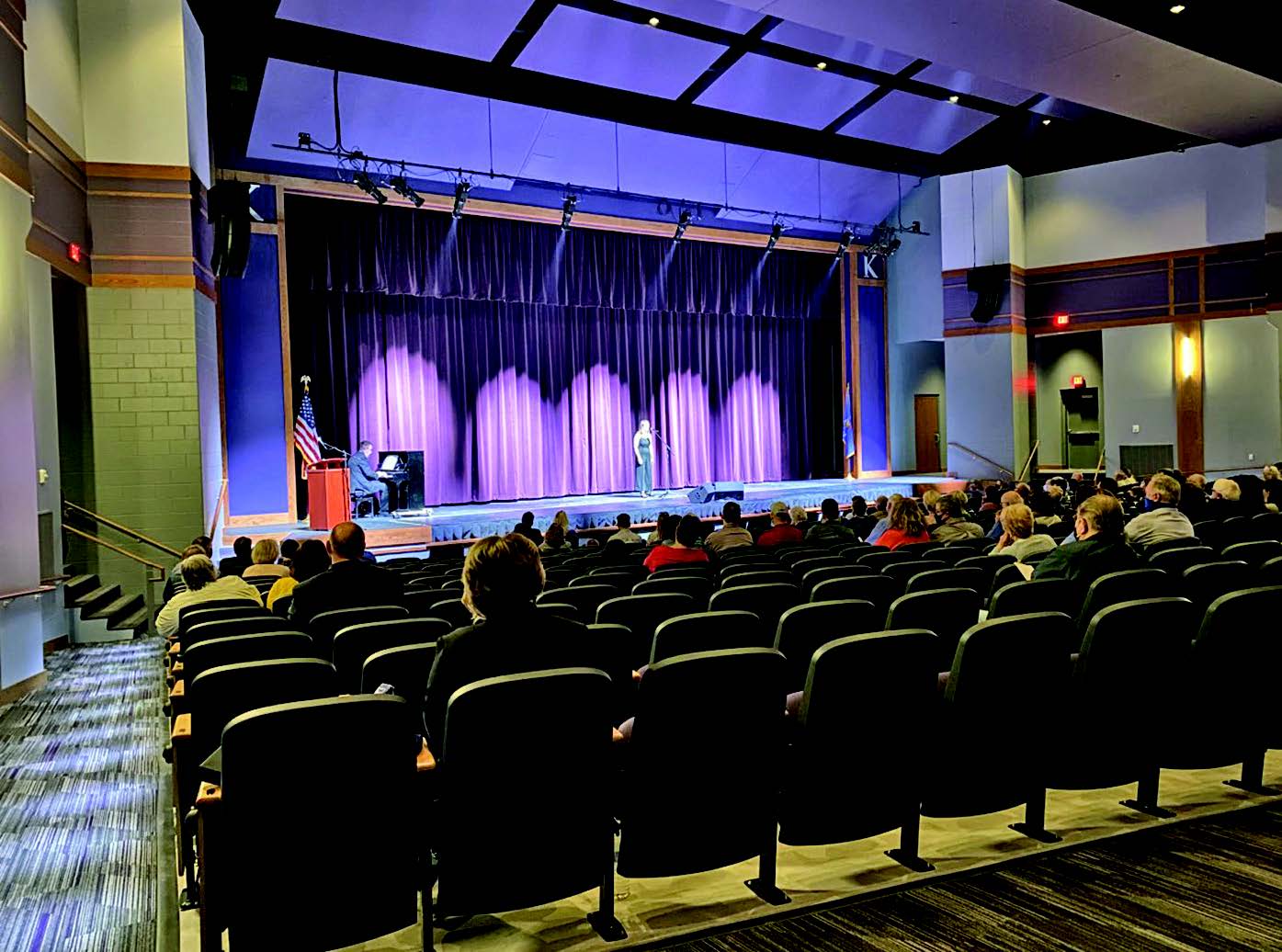 By offering spaces that both the district and its residents can use-such as gymnasiums, libraries and media centers, and performing art centers-rural schools serve as the activity hub for the community.
Reduce Operational Costs
Look for ways to reduce ongoing operational costs as funding continues to decrease. Search for opportunities to minimize the duplication of services, especially on the support side. Districts can consolidate facilities to reduce the cost of maintenance, administration, food services, and more. For example, a single building for K–12 makes the most sense in some communities.
Overall costs of solar installations have recently dropped significantly, and the market is rapidly expanding.
Additionally, consider how the district might generate and capture its own power with solar and battery storage. Consider onsite solar photovoltaic (PV) and battery energy storage systems (BESS). Solar continues to be the most cost-effective way to move toward larger goals of overall sustainability, energy independence, carbon neutrality, and net-zero energy use. Solar PV cells convert sunlight into electricity. Solar mounting options provide flexibility for new and existing schools; rooftop, ground-mount, and car port designs are all worthwhile choices. BESS are charged from surplus solar production when more power is generated than the school requires. This stored power can be applied later, such as overnight or during higher-cost, on-peak power periods. Additionally, batteries can be charged from the electrical grid in low-cost, nonpeak hours. Solar and battery energy storage technologies have progressed significantly in the past 10 years, becoming highly feasible options for school districts.
Integrating energy storage with solar PV adds flexibility to a building’s energy management system. With the addition of microgrids, battery storage can also be used for emergency power during outages on the electrical grid and can also connect multiple buildings. Because of the intermittent generation provided by solar (and also wind), BESS are rapidly developing to help fill the gaps when sufficient renewable energy is unavailable.
Overall costs of solar installations have recently dropped significantly, and the market is rapidly expanding. The primary economic advantage of on-site solar PV is the lower cost of power. This benefit includes ongoing lower maintenance and operation costs and a competitive guaranteed cost rate for future electricity. Consider green-minded investors who might provide up-front dollars and grants, leveraging federal tax credits. Third-party investors have participated in some recent school district solar projects. Be sure to investigate all economic options for your area.
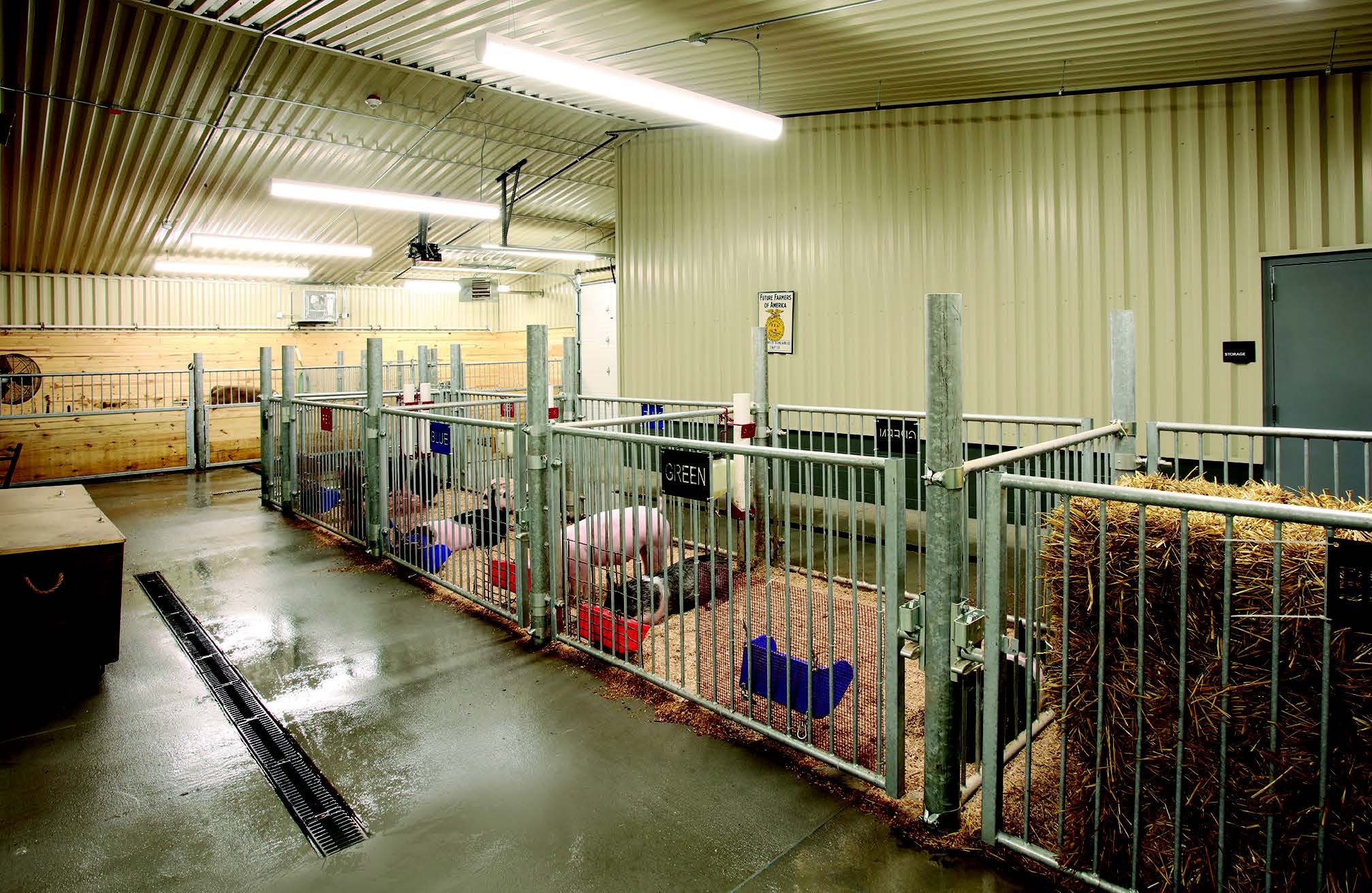 School districts in rural farming communities are increasingly expanding their agricultural programs-such as aquaponics, hydroponics, and live animal production.
Creative Ideas for Current Needs
Rural communities have a variety of needs that school districts can address. Here are four ideas.
- Offer a needed service. Some rural school districts provide childcare services for the community. The School District of Shiocton (Wisconsin) faced a steady decrease in enrollment from 2013 to 2019 but has been increasing its numbers ever since. One of the factors in its turnaround was offering childcare services to their staff and community.
- Update CTE (career and technical education) spaces with the support of area manufacturing, farming, and construction industries. Students learn career skills and the local industry has a burgeoning pool of workers.
- Stay in close contact with neighboring school districts to see how you might combine forces. Explore co-op programs. Grants are often more available when funders see cooperation and partnerships.
- Join the community to provide access to reliable information technology and broadband. This strategy was especially valuable during the COVID-19 pandemic when schools opened their doors and equipped school buses with internet to serve residents who otherwise wouldn’t have access.
Eyes Wide Open
With eyes wide open, we can watch for what is happening on the global, national, state, and regional levels that can be adapted and adopted in our own communities to make a positive impact. Exploring creative solutions can be the difference between a dying or a thriving community. Consider the strategies and examples provided here to make a difference today and tomorrow in your rural area.