School spaces can be designed to promote intellectual, emotional, and holistic well-being, thereby enhancing student learning and overall academic achievement.
Designing for Intellectual Health
Designing spaces for intellectual health involves creating learning environments that can be easily adapted and modified to accommodate various types of learning activities as needed. In minutes, a gym can be converted for use by the debate club, or a classroom can be sectioned off into learning zones for 40 minutes of focused attention.
Classroom environments should be designed to promote active learning while providing quiet spaces for reflection and solo work. Classrooms can be outfitted with flexible-use furniture, including a variety of types of chairs, movable tables, and partitions that can be easily reconfigured throughout the school day.
Tech tools integrated into the learning environment to support neurodiverse learners can also benefit other students. Seeking a healthy balance of technology use is vital in an age when students are constantly online outside of school.
Reducing distractions in the classroom supports intellectual wellness by enhancing concentration, allowing students to focus on learning. Strategies might include banning smartphones in the classroom, reducing noise levels, reducing the amount of “decoration” on the classroom walls, and ensuring the temperature is comfortable.
School design for emotional health focuses on creating an environment that fosters feelings of safety and belonging.
Designing for Emotional Health
School design for emotional health focuses on creating an environment that fosters feelings of safety and belonging. Designing common spaces that encourage social interaction without becoming overwhelming, while also providing quiet zones for individual work or taking a break, can support students' emotional well-being. Using soft, warm colors creates a calm environment in cafeterias and hallways, while brighter colors in classrooms can help simulate student engagement in learning activities.
Some schools have created wellness rooms or “Zen Dens” in a corner of a classroom, especially for younger students. These spaces provide room for decompression and are also equipped with tools to help students develop healthy coping skills, such as learning to self-regulate or develop habits of self-care.
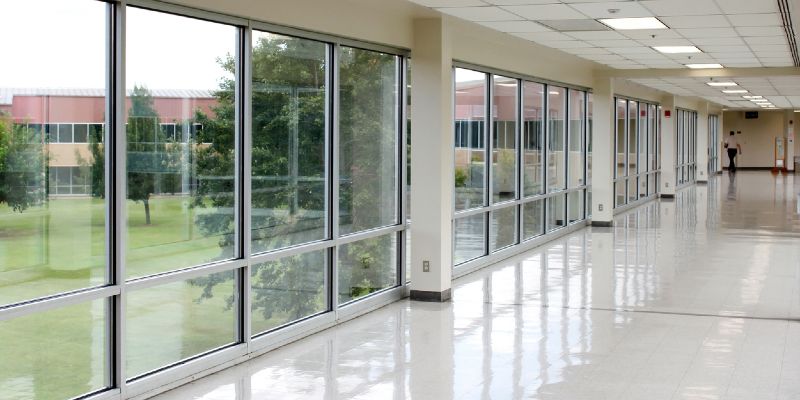
Photo courtesy of iStock
Natural lighting can help improve student health and sense of well-being.
Designing for Holistic Wellness
Holistic wellness focuses on supporting both the physical and mental health of students to promote cognitive development. Color schemes, natural light, and air quality can all contribute to supporting student health. Comfortable seating, providing opportunities for movement, and incorporating a sense of belonging into the classroom décor can all contribute to the holistic well-being of students and teachers.
Biophilic design is a research-supported trend in K–12 schools today that incorporates natural elements, such as plants, into classrooms and school buildings. Research shows that incorporating nature into our indoor environments helps reduce stress. Finding ways to maximize natural light within the school building and creating usable outdoor learning spaces enhances focus and mood by lowering cortisol levels and reducing stress and anxiety.
Designing for physiological wellness zeroes in on physical health. Design strategies may include installing ventilation systems to improve air quality and incorporating design strategies that maximize exposure to daylight. Ergonomic furniture, including adjustable seating and table heights, can promote good posture, which can help students focus on learning for longer periods of time.
Designing schools to support wellness is an ongoing process. Be sure to incorporate feedback from the entire school community as you institute changes. Engaging those who use the environment ensures that the design of school spaces will support the unique values and needs of the community.
Create professional training opportunities to ensure teachers are equipped to use these newly designed spaces effectively. Many of us remember when smart boards were commonly used as coat racks rather than learning tools! By prioritizing nurturing spaces, we are sending a message to our community that their needs matter. As an education leader, recognize that every architectural choice you make can and should include a focus on boosting students’ physical, mental, and holistic health.