Rural communities generally lack access to technology, energy, and grid resilience advancements, yet they often bear a higher energy burden than their urban and suburban counterparts.
Community Energy Labs (CEL) recently completed a U.S. Department of Agriculture Small Business Innovation Research program project in rural areas of California, Oregon, and Washington to retrofit several public schools with grid-interactive, energy-efficient HVAC controls. These upgrades were designed to improve rural schools' energy efficiency while modernizing aging building systems.
Developing this workforce capacity is essential for scaling rural schools' energy-efficiency projects, which often require technicians with skills spanning HVAC, controls, and building data systems.
Rural Communities Face Unique Upgrade Challenges
Because many rural communities are at the end of a utility’s power distribution line and are not connected to redundant circuits, power quality and outage duration tend to be worse for rural customers. The result is critical impacts on commercial building systems such as refrigeration, which are key to reducing food spoilage and contamination in agricultural production.
These infrastructure challenges can complicate energy-efficiency upgrades in rural buildings, including schools that rely on older HVAC systems and have limited technical support.
As CEL began its work, however, additional challenges arose.
Resource time: The basic steps needed to qualify and prepare a site for energy efficiency upgrades often took longer in rural locations than initially expected. Many of the sites' facilities teams wore multiple hats, so even routine requests, such as gathering mechanical drawings, had to compete with day-to-day operational needs.
Aging infrastructure: Due in part to inadequate staffing at the site, documentation didn’t always match the equipment in the field, and some systems had been extended well past their expected service life. At one site, multiple generations of HVAC and electrical equipment layered over decades of remodels. Office reconfigurations had created zones served by different air handling units and heat pumps, resulting in overlapping control areas and added complexity for metering.
Limited local technical expertise: In some cases, the issue of commute time alone disqualified a site for upgrading. For example, one potential site could not move forward because it had no in-house IT team, the external IT contractor, located four hours away, did not want the business, and the thermostat installers declined to travel to the site to quote the job.
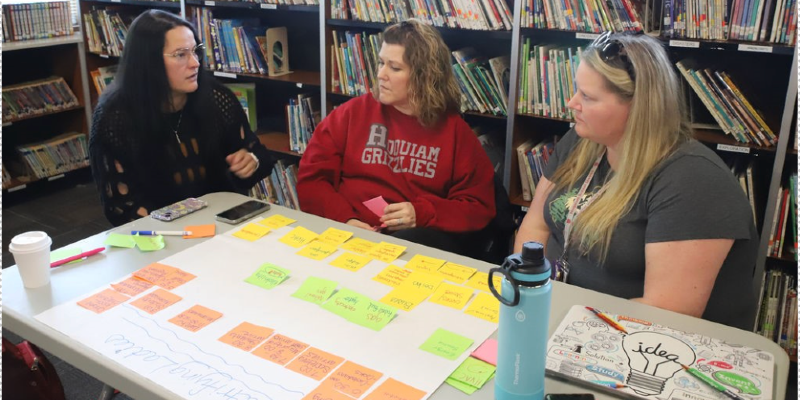 CEL hosted a Smart & Resilient Schools Summit with Bonneville Environmental Foundation and Hoquiam School District to create viable solutions for greener schools, affordable energy, and healthier spaces for communities.
The Need for Workforce Development
To address staffing challenges in the communities where the USDA work was being done, CEL began building a workforce pipeline alongside local workforce development organizations. Partnerships with regional school districts, local universities, and various nonprofit organizations helped create structured training pathways for students and early-career professionals in controls, building systems, and IT fundamentals.
Developing this workforce capacity is essential for scaling rural schools' energy-efficiency projects, which often require technicians with skills spanning HVAC, controls, and building data systems.
Grey’s Harbor Youth Works, which provides local 15–19-year-old high school students with scholarships, internships, and mentoring, worked with local utilities and contractors to develop plans to implement new programs that allow students to learn from the work being done.
Along with teachers, they developed three specialized internships and job-training programs focused on energy efficiency, renewable energy integration, and carbon-reduction strategies, and also provided scholarships and financial assistance.
Gray’s Harbor College pledged to hire an industry expert to develop HVAC curriculum that meets state guidelines, purchase equipment and cutting-edge technology to provide industry-relevant training, and align financial aid resources, such as Federal Pell Grants, Washington College Grants, and scholarships, to remove financial barriers and make the program accessible.
The community college offers workforce education and training for community members preparing for new careers or upgrading their skills, helping build the local expertise needed to support energy-efficiency upgrades in rural schools and public buildings.
Coastal Community Action Program, a nonprofit that helps low-income individuals and families achieve economic stability, committed to helping source workforce solutions through its community, including retired seniors, Temporary Assistance to Needy Families recipients, and vocational rehabilitation staff.
These collaborations (and many more) directly support the product ecosystem by increasing the pool of technicians who can commission sites correctly, maintain connectivity, respond to alerts, and ensure long-term operational quality.
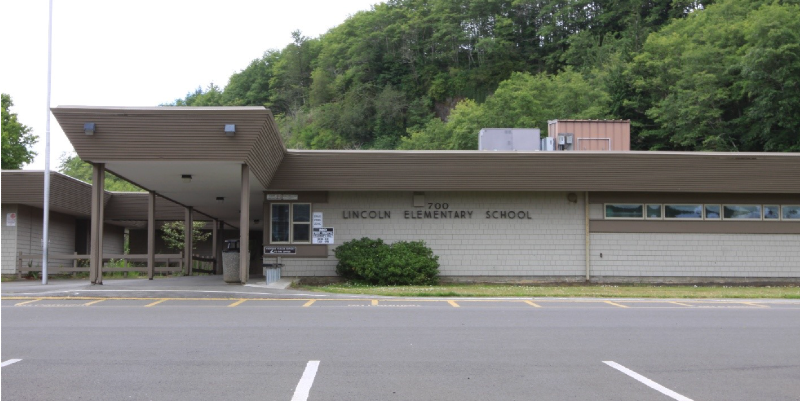 Schools like Lincoln Elementary School in Hoquiam, Washington, face unique challenges when deploying climate technology due to budget constraints and workforce shortages.
Supporting Long-Term Rural Schools' Energy Efficiency
Many of the issues encountered during the project, including inconsistent equipment configuration, gaps in building automation system knowledge, and limited onsite technical capacity, reflect a broader industry shortage of technicians trained at the intersection of HVAC, controls, and data systems.
Technology, community adoption, and deployment ability are interdependent. The latter relies on having the necessary skills in the community.
What does this mean for school business officials?
Strengthening regional workforce capacity by working with the community and outside organizations to begin building that workforce in our schools can reduce installation costs, make long-term maintenance easier, and increase reliability across diverse building types into the future. This approach helps ensure that rural schools' energy efficiency improvements can be deployed reliably and affordably.