Across the country, districts and organizations like ASBO International are helping shape best practices that balance employee choice with a more coordinated approach.
Bringing together clear standards and personalized guidance creates a more effective way to support retirement decisions without limiting employee choice.
The Disconnect: Choice Without Coordination
K–12 employees often have access to multiple providers and advisors. In theory, that flexibility can be a benefit. In practice, it can create confusion:
Without clear guardrails, too many options can lead to inconsistent decisions or delayed action. Employees may hesitate to participate, contribute less than they should, or receive conflicting advice across providers.
For districts, this can also create additional administrative work, make it harder to ensure consistent oversight, and lead to uneven experiences across employees.
Choice without coordination just creates fragmentation.
A Thoughtfully Designed Approach to Better Access
ASBO International’s 403(b) Model Plan, introduced in 2025, provides a framework to help districts simplify administration, strengthen compliance, and bring greater consistency to plan management.
In practice, this includes establishing a vetted group of providers, setting clear expectations for advisor engagement, and creating a more streamlined overall experience for employees navigating their options. In simple terms, it’s about making sure providers, advisors, and employees all operate within a shared set of expectations.
This type of approach helps ensure that:
Human Guidance Remains Essential
The most important financial decisions — when to retire, how to allocate savings, and how to balance competing priorities — are deeply personal. They require context, experience, and judgment. While tools and education can inform decisions, they can’t integrate personal circumstances, trade‑offs, timing, and uncertainty in the way a human can.
A financial professional helps employees connect the dots between pensions, 403(b), and 457(b) plans, translate information into a clear, actionable strategy, and stay accountable to long-term goals. They can also help navigate life changes like career transitions, family needs, or market volatility.
Perhaps most importantly, they help address the biggest gap in retirement planning: follow-through. The goal here shouldn’t be to limit access to advisors. It should be to ensure that access is consistent, balanced, and aligned with district expectations.
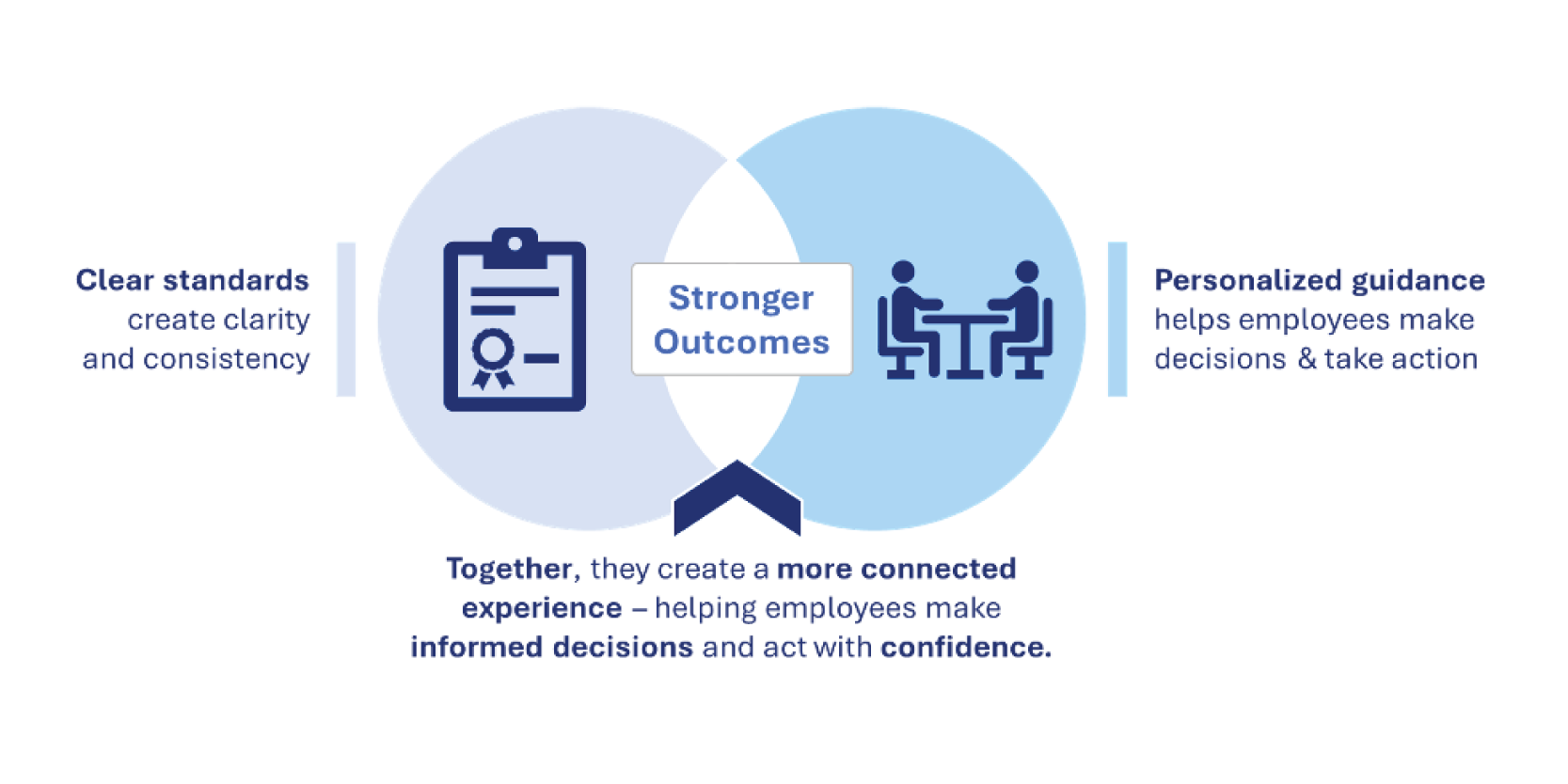 Figure 1. Model Outcomes for Employee 403(b) Plans.
An Integrated Approach to Supporting Retirement Savings
Bringing together clear standards and personalized guidance creates a more effective way to support retirement decisions without limiting employee choice. When districts align these elements, they can create an environment where flexibility and consistency can coexist.
Employees retain the ability to choose, while districts provide a clearer path to informed decisions and consistent support.
Districts can put this into practice in a few simple ways:
1. Define Clear Standards for Participation
Establish and communicate expectations for providers and advisors. For example, districts should make a point to share how often they want providers and advisors to engage with employees, what education they want them to provide, and how they would like them to support decision-making. These expectations are often documented and shared during provider onboarding or review processes.
2. Promote Advisor Access — With Consistency
Make it clear to employees how they can access guidance, whether that’s through scheduled onsite visits, virtual sessions, or designated points of contact. At the same time, align expectations so all advisors provide a consistent level of service and support.
3. Simplify Without Eliminating Choice
Evaluate the number of providers available and look for opportunities to streamline where it makes sense. This might include reviewing participation levels, service quality, or engagement—while still preserving meaningful employee choice.
4. Align Communication and Education
Coordinate how information is shared across providers so employees receive consistent messaging. This could include standardized materials, shared education sessions, or aligning key messages during enrollment periods.
5. Measure Engagement — Not Just Participation
Go beyond enrollment numbers by looking at whether employees are taking action. This might include tracking contribution increases, meeting attendance, or simple feedback surveys to understand whether employees feel more confident in their decisions.
Supporting retirement readiness isn’t just about providing access to it; it’s about creating an environment where employees can make informed decisions and follow through on them.
The ASBO Model Plan reinforces an important idea: When districts balance choice, coordination, and personalized guidance, they can create a more consistent and effective experience for employees.
Equitable is the brand name of Equitable Holdings, Inc. and its family of companies, including Equitable Financial Life Insurance Company (NY, NY) and Equitable Financial Life Insurance Company of America, an Arizona stock company with an administrative office located in Charlotte, NC, issuers of life insurance and annuities, and Equitable Distributors, LLC.
GE-8892207.1 (4/26)(Exp. 4/30)