What had been “just in case” plans are now reality, and SBOs must shift their attention from managing daily logistics and grappling with implementation concerns to navigating the new instructional and economic landscape. The next steps logically include integrating operations with the virtual learning environment, reviewing current revenue and expenditure trends, and updating long-term forecasts and future contingency plans.
Integration with Virtual Learning
Despite school closures, learning goes on, and the schools’ administrative and instructional staffs will continue to require the support of the business and operations staff members. SBOs will respond to meet the challenges of virtual learning and remote operations as they affect each department, including technology, facilities, finance, food services, and human resources, among others, to support virtual learning and remote operations.
Cognizant of the fact that the majority of school staffs are operating in the remote environment, SBOs should consider updating operating procedures to include such features as designated “office hours” during which personnel can reach the business management staff and memoranda outlining expectations for processing requests promptly. All business and operations staff members must understand how to effectively respond to and work with individuals both internally and externally.
All business and operations staff members must understand how to effectively respond to and work with individuals both internally and externally.
While operating in a remote environment, school-level administrators may feel uncomfortable raising an issue or asking for assistance in meeting a need. SBOs can establish a protocol of online meetings for staying up-to-date on requirements and unvoiced challenges of various departments. These check-ins also help SBOs understand the landscape of the virtual learning environment—the challenges and the successes.
SBOs might share this information about challenges and solutions district-wide via a blog, website, online forum, or other medium that can be updated regularly and easily accessed across the district.
Revenues, Expenditures, and Long-Term Forecasts
During uncertain economic times, it’s essential to analyze trends and assess targets often. A formalized budget and forecasting platform with automatic trending and benchmarking analytic capability can help with those tasks and allow SBOs’ focus to shift from “number crunching” to interpreting and forecasting.
Information about national and state trends—such as unemployment, gross domestic product, market swing, and interests—provides points of comparison that will help create a story about the role external factors play in the school budget.
Prior- and current-year financial data—including the district’s performance in the last economic downturn—can forecast the trajectory for key budget performance indicators, provide information when considering various scenarios for discussion, and help internal and external stakeholders better understand the current economic landscape.
As I write this article, the future for school budgets is uncertain. Staffing levels, rising costs, interest rates, subsidies, and tax bases just scratch the surface of issues that must be monitored and considered. Those factors that most significantly affect the budget based on the district’s revenue and expenditure structure can provide a foundation for comparative long-term budget forecasts.
Such indicators might include:
- Revenues: taxes, interest, fees, state funding, federal support, rental income, tuition income
- Expenditures: salaries, healthcare, specialized services, contractual obligations, property supplies, level of service
- Other indicators: enrollment, fund balance, cash flow, facility requirements, school safety, emergency preparedness, continuity of operations
These indicators illustrate trends, areas of strength, and potential challenges and tell the story of what may lie ahead.
Sharing the Data
SBOs can communicate financial information to internal and external stakeholders through online presentation programs, such as a visual dashboard that can be easily updated. Presentations should build on previously shared information, such as the indicators listed above, so groups have a foundation on which to build their knowledge.
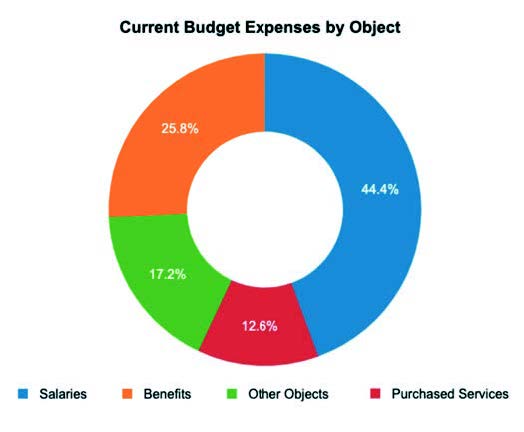 Figure 1. Current budget expenses by object.
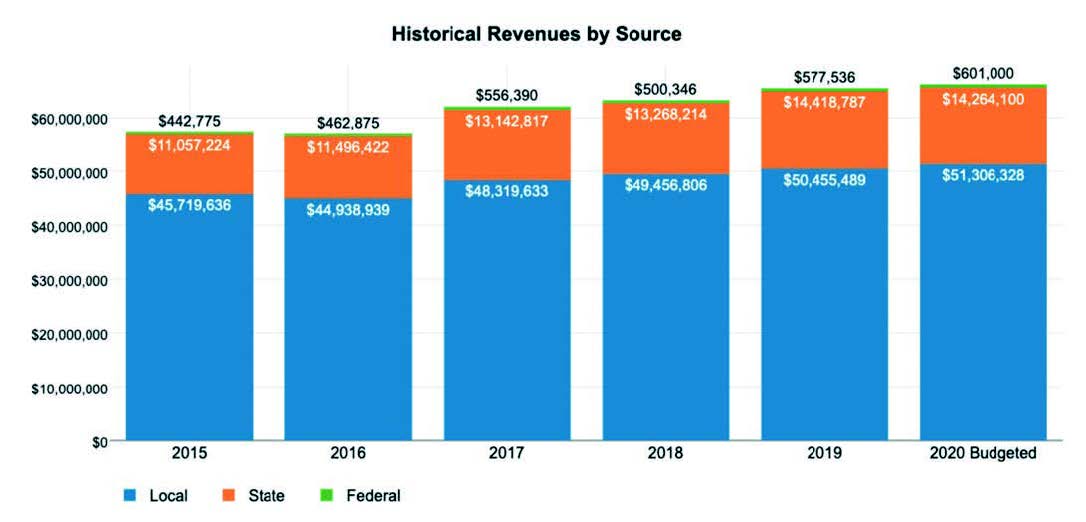 Figure 2. Historical revenues by source.
The financial information should be presented in easy-to-understand visuals (see Figures 1 and 2) that tell a story rather than through complicated spreadsheets and highly detailed reports.
Future Contingency Plans
After a district’s long-term indicators have been identified and its revenue and expenditures trends analyzed, the SBO can work with the leadership team and governing body to plan for what may lie ahead. The plan will be based on discussions of various financial paths available, an outline of goals and objectives for financial solvency, and targeted critical resources based on a collaborative data analysis within the organization.
Strategic management of the fiscal challenges involves planning, which takes time.
It’s important to consider not only the upcoming economic environment and factors previously discussed, but also specific issues that are expected to arise in coming years. For example, if labor negotiations are scheduled, what outcome is anticipated? What challenges can the district prepare for now?
District leaders should approach challenges from multiple perspectives. For example, can concessions be made in one area to offset the economic limitations? What groundwork can be laid with regard to financial indicators before coming together to reach an agreement? Strategic management of the fiscal challenges involves planning, which takes time; starting early when looking at the long-term picture can give the district an advantage in navigating unforeseen circumstances.
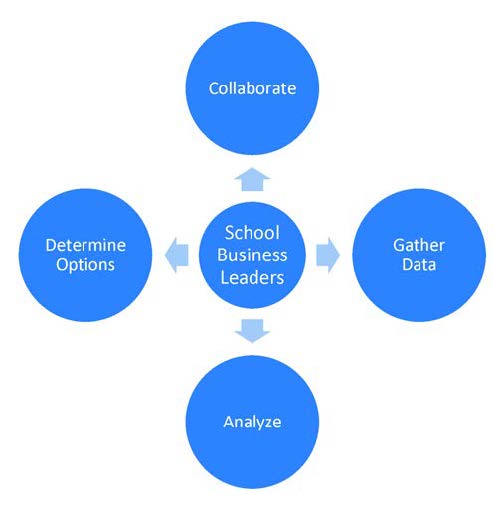 Figure 3. Effective problem-solving strategy.
School business officials operate within an ever-changing landscape. In most cases, they already have the core competency and tools to approach and be part of the problem-solving strategy. In times that pose more extreme challenges, the most effective strategy is to collaborate, gather and analyze data, and develop a flexible course of action (Figure 3).