Emerging Trends
Unique to the 2024–2025 Denver (Colorado) Public Schools budget is the board of education’s identification of the values of the organization and the alignment of resources to meet the board’s “Ends Policies,” which are equity, teaching and learning, student and staff well-being, health and safety, post-graduation and global citizenship, and climate action.
Districts are featuring sustainability more prominently than ever before, moving it from a school-based science topic to a core strategic plan goal…
The board anticipates funding these policies from bond proceeds, the general fund, and grants. The DPS budget is programmatic in format with expenses associated with the six Ends Policies summarized apart from other budget sections such as personnel, capital needs, and general obligation bonds. Ends Policy 6: Climate Action is anticipated to cost $80 million in FY 2025 (see Table 1).
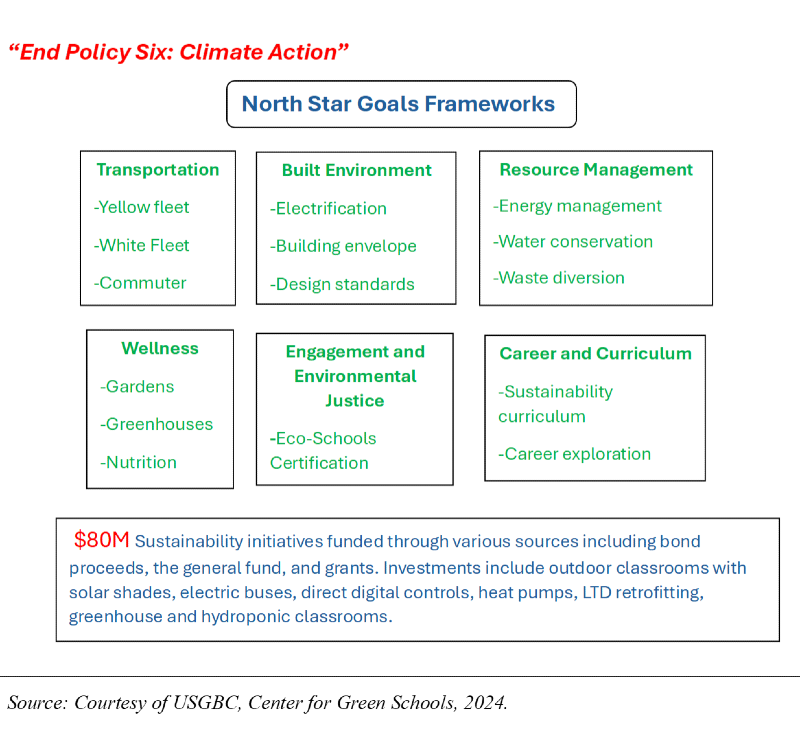 Table 1. Denver Public Schools 2024-2025 Budget
Sustainable “smart” budgeting involves student-led initiatives to adopt five-year action plans, which are an integral component of the budget document. With feedback from the DPS Students for Climate Action, LeeAnn Kittle, DPS director of sustainability, advocates for three North Star goals: environmental protection, economic prosperity, and social development.
Similarly, at Idaho’s Boise City Public Schools, Superintendent Lisa Roberts included in the district’s fiscal year 2025 budget a strategic plan set-aside of $2.9 million for the district to lead and implement sustainability practices and the conservation of resources throughout the district.
The district’s board of trustees adopted a Special Revenue Fund totaling $28 million, apart from other planned expenditures, to fund the new strategic plan. The district budget was a 2024 recipient of ASBO International’s Meritorious Budget Award.
Annual budget reports are useful in codifying school district policies and actions. In 2022, the Laguna Beach (California) Unified School District Board of Education adopted a resolution establishing an environmental literacy and sustainability task force to improve the district’s practices.
In 2023, the board approved a new certified position and job description for a coordinator of environmental literacy. The district’s fiscal year 2025 budget funds expenses to support the Climate Solutions Society at Laguna Beach High School. Its stated purpose: “To use AI technology to prevent wildfires in Laguna Beach and other nearby cities while also exploring other ways this technology can help the environment.”
Charter School Sustainability Budgeting
School business officials are being recruited to work in public charter schools due to the increase in the number of charters and school choice programs in many states. Many charters’ missions emphasize STEM subjects, music and performing arts, language immersion, social justice, or environmental sustainability.
A current trend in charters is for teachers to engage students in a learning pedagogy called “phenomena-, place-, project-, and problem-based learning” (4PBL). In 4PBL, core academic content is combined with authentic learning experiences. Instruction modules challenge students to solve a real problem in their school or community. Along with other staff, SBOs become active participants on student learning teams.
Three schools that emphasize environmental education and have similar annual operating budgets are Prairie Crossing Charter School in Grayslake, Illinois; New Roots Charter School in Ithaca, New York; and Common Ground Charter High School in New Haven, Connecticut.
Their budgets support 4PBL projects, including farm- and garden-to-school programs, developing and maintaining composting systems, and monitoring and conserving energy usage. A composite of their annual operating expenses, highlighting their budgets’ sustainability programs, is shown in Table 2.
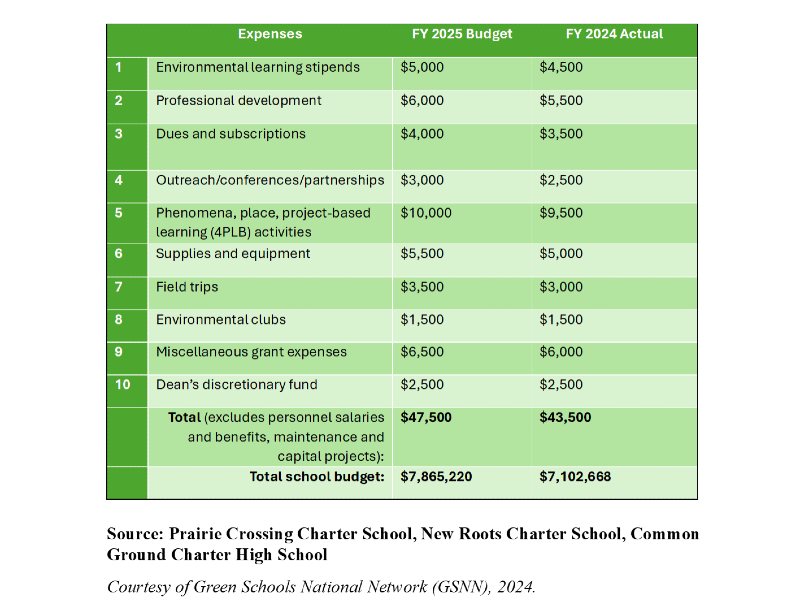 Table 2. Charter School Sustainability Program
Best Practice Considerations
Public school budgeting is a complex and comprehensive months-long process that requires leadership by a visionary school board and superintendent. At Laguna Beach Unified School District, the school board took the lead by establishing a task force. These are some important organizational considerations in getting things started with sustainability budgeting in your schools:
- Director of Sustainability. Ideally, a director of sustainability can spearhead much of the budget preparation. Without that position, it could fall to a curriculum director and an operations director. Consider offering extracurricular stipends to science teachers.
- Facility Condition Assessments (FCAs). Budgets are approved after diligent presentation of supporting narratives and data. Utilize facility condition assessments to provide detailed independent third-party inspections of school buildings to prioritize sustainability-related capital projects and improvements.
- Professional Development. Provide professional development for all staff and support personnel. Education researchers Sally Perry and Ellen Metzger attribute “barriers to learning for sustainability” to include teachers’ feeling unprepared in both the content and student-centered pedagogy of sustainability, lack of resources and materials, and inadequate time for staff collaboration.
In Conclusion
Polls indicate that the public wants sustainability to be incorporated and taught in public schools. School business officials are key facilitators in making this happen. Let’s get started!